
Moroccan People
Table of Contents
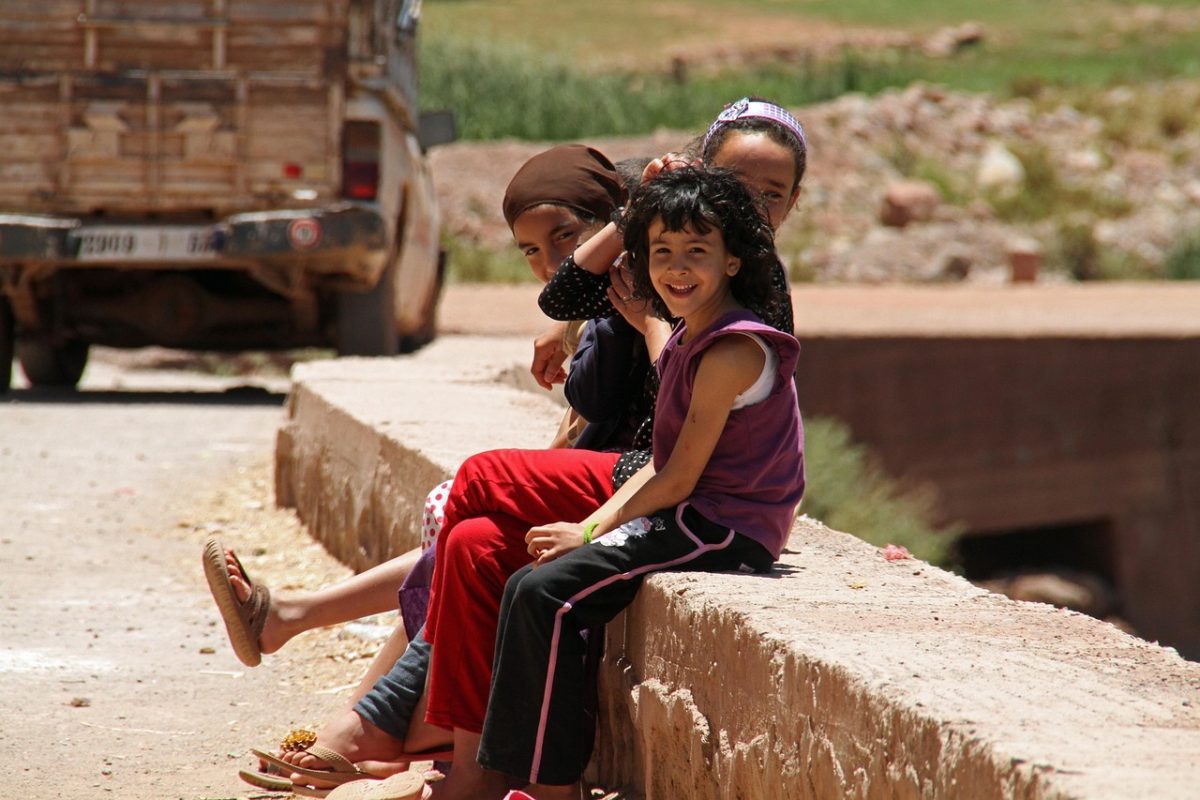
ToggleThe Moroccan people represent an extraordinary blend of cultures, languages, traditions, and historical influences that span thousands of years. Their identity is shaped by Amazigh, Arab, Andalusian, African, and Mediterranean roots, creating one of the richest cultural tapestries in the world. What makes Moroccan people truly unique is how they weave ancient heritage with modern life, combining strong traditional values with a spirit of openness and adaptability. This complex identity is expressed in their hospitality, their family structures, their languages, their customs, and the way they interact with the world.
Morocco are often described as warm, generous, and deeply connected to their land. Whether you walk through a busy medina or a quiet mountain village, you immediately feel the human warmth that defines Moroccan society. For centuries, the country has been shaped by different civilizations passing through its mountains, deserts, and coastlines, each contributing something to the collective identity of Moroccan people. This cultural diversity is what makes Morocco not only a fascinating place to visit but also one of the most culturally significant nations in North Africa.
As we explore the story of Moroccan people, we uncover traditions that have survived for generations, languages that have evolved from ancient origins, and social values that reflect both history and modern influence. Understanding Moroccan means looking beyond their famous hospitality and into the deeper layers of their identity the layers that reveal how they think, how they live, and how they carry forward a heritage that continues to inspire millions of visitors every year.
If you’re planning a trip to Morocco, explore our best Morocco tours and let us help you create the perfect travel experience.
The Origins of Moroccan People
Amazigh Foundations – The First Identity of Morocco
The Amazigh people, often called Berbers, are the original inhabitants of Morocco and form the fundamental roots of Moroccan identity. Their presence predates recorded history, and their influence can be seen in the country’s language, music, architecture, and cultural values. Amazigh tribes lived in the mountains, plains, and desert regions, shaping Morocco long before any outside powers arrived. Their traditions, symbols, and stories continue to live today in both rural and urban communities, passed down through families who carry deep pride in their Amazigh heritage.
Amazigh culture is visible in the geometric patterns of carpets, the silver jewelry worn by women, the rhythm of traditional songs, and the design of ancient kasbahs. Many Moroccan people, whether they speak Arabic or Amazigh today, still trace their ancestry to Amazigh tribes. The resilience and creativity of the Amazigh have played an enormous role in shaping the personality of Moroccan, giving them a strong connection to the land and to their community.
The Influence of Arab Migration and Islam
The arrival of Arabs in the 7th century brought Islam to Morocco, transforming both spiritual and cultural life. Over time, Amazigh communities and Arab settlers blended, creating a new shared identity that defines most Moroccan people today. Islam became the primary religion and deeply influenced Moroccan customs, moral principles, and social relationships. Arabic became the language of religion and governance, integrating with Amazigh languages to create a unique linguistic landscape.
This blending of Amazigh and Arab heritage is one of the strongest characteristics of Moroccan. It explains why Moroccans express their identity through both ancient tribal traditions and Islamic values. The influence of Arabic culture also shaped Moroccan architecture, scientific growth, literature, and music, forming a cultural foundation that continues to guide daily life. Today, most Moroccan people see themselves as inheritors of both Amazigh and Arab legacies, making their identity a perfect reflection of Morocco long cultural evolution.
The Andalusian, Jewish, and African Contributions
The history of Moroccan people would not be complete without the influence of Andalusian Muslims and Jews who settled in Morocco after being expelled from Spain. They brought refined craftsmanship, advanced knowledge, elegant architecture, and rich musical traditions that elevated Moroccan culture to new heights. Cities like Fes, Rabat, Tetouan, and Chefchaouen still preserve this Andalusian heritage in their blue-tiled fountains, whitewashed walls, and beautifully carved wooden doors.
Morocco also has a long Jewish history, and Moroccan Jews played a vital role in trade, music, craftsmanship, and social life. Even though the Jewish population is smaller today, their cultural contributions remain integrated into Moroccan identity. Moroccan people show great pride in their Jewish heritage, recognizing it as an essential part of the national story.
Sub-Saharan African influence also left a deep mark on Moroccan, especially through Sahara trade routes linking Morocco with West Africa. Communities like the Gnawa introduced spiritual music, healing rituals, and rhythmic traditions that are now celebrated worldwide. The combination of African, Arab, Amazigh, and Andalusian elements created the multicultural DNA of Moroccan.
The Languages Spoken by Moroccan People
Darija – The Heart of Everyday Communication
Darija, the Moroccan Arabic dialect, is the primary language spoken by Moroccan people in daily life. It is fast, expressive, and full of personality, mixing Amazigh vocabulary with Arabic, French, and Spanish influences. Darija is not only a way of communicating it is a cultural identity on its own. It captures humor, emotion, and local expressions that reflect the diversity of Moroccan society and the creativity of its people.
Because Darija absorbs influences so easily, it evolves quickly, especially among younger generations who mix it with French and English. This makes Darija one of the most dynamic languages in the Arab world. Moroccan people use it everywhere in homes, cafés, markets, music, and social media giving it a central role in shaping modern Moroccan identity.
The Amazigh Languages – A Cultural Revival
A large part of the Moroccan population speaks one of the Amazigh languages: Tamazight, Tachelhit, or Tarifit. These languages are among the oldest in the world and carry centuries of cultural memory. With the recognition of Amazigh as an official language in 2011, Moroccan people have seen a revival of Amazigh education, media, and public signage. This recognition strengthened national unity by honoring Morocco indigenous heritage and allowing younger Amazigh generations to reconnect with their roots.
Amazigh languages are written in the Tifinagh script, a beautifully geometric alphabet that symbolizes Amazigh identity. For many Moroccan people, speaking Amazigh is a way of honoring their ancestors and preserving traditions that have shaped the nation for thousands of years. This linguistic diversity is a major part of what makes the Moroccan people so culturally rich.
French, Spanish, and English in Modern Moroccan Life
Morocco geographical position and historical interactions have made its people impressively multilingual. French is widely used in education, law, administration, and commerce, giving Moroccan access to international communication. Spanish remains common in northern regions like Tangier and Tetouan due to historical ties with Spain, and many Moroccans in these regions grow up speaking both Darija and Spanish fluently.
Over the past decade, English has become increasingly popular among the younger generation. Social media, global business, tourism, and international education have encouraged Moroccan people to embrace English as a third or fourth language. This rise of English marks an important shift in Morocco cultural landscape, showing how adaptable and forward-thinking Moroccan are.
Frequently Asked Questions About Moroccan People
What are Moroccan people known for?
Moroccan people are known for their hospitality, warmth, and strong cultural traditions. Visitors often describe Moroccans as welcoming, respectful, and proud of their rich heritage, blending Arab, Amazigh, and African influences.
Are Moroccan people friendly to tourists?
Yes, Moroccan are very friendly to tourists. Hospitality is an important value in Moroccan culture, and visitors often feel safe and welcomed. Locals are happy to help with directions, share cultural information, or offer tea as a gesture of kindness.
What languages do Moroccan people speak?
Most Moroccan people speak Arabic and Tamazight as native languages. French is widely used in business and tourism, while Spanish and English are commonly spoken in major cities and tourist destinations.
What traditions are most important to Moroccan people?
Family, religion, and community gatherings are central to Moroccan life. Celebrations like Ramadan, Eid, weddings, and local festivals reflect the values of Moroccan people, showing hospitality, generosity, and cultural pride.
Are Moroccan people conservative or modern?
Moroccan people are a mix of both. In big cities, you’ll find modern lifestyles and fashion, while rural areas are more traditional. Most Moroccans balance cultural values with a modern outlook, creating a unique blend of tradition and progress.
What should tourists know about interacting with Moroccan people?
Tourists should be respectful, greet people politely, and avoid public affection. Dressing modestly is appreciated, especially in smaller towns. Moroccan value kindness and respect, and travelers who follow these norms enjoy a more authentic experience.
Recent Posts

How to Find the Best Luxury Morocco Tours for Your 2026 Journey

Exclusive Services in the Moroccan Desert for a Luxury Trip

Is Casablanca Safe for Tourists?

Moroccan People

Best Morocco Tours from Canada
What to Wear in Morocco in December
London to Morocco Flight Time
Can I travel to Morocco from the USA now? Update 2026