
Moroccan Caftan: art, traditions and skills
Table of Contents
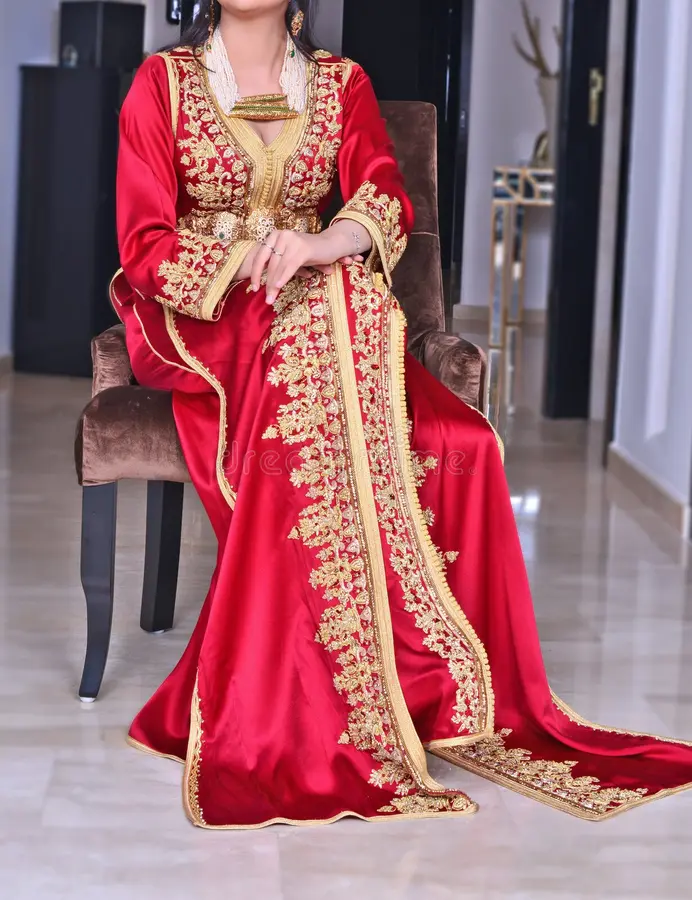
ToggleThe Moroccan caftan is a symbol of Moroccan heritage, elegance, and tradition. This long, flowing tunic is worn by people of all ages and genders during weddings, Aïd celebrations, baptisms, coming-of-age ceremonies, and other cultural festivals across Morocco. Crafted from luxurious fabrics like Moroccan silk, velvet, and brocade, caftans feature intricate hand embroidery, sfifa braiding, beads, and sequins, often accented with a decorative belt (hizam or mdamma).
Creating a Moroccan caftan is a testament to the country’s artisan craftsmanship. Weavers produce the rich fabrics, tailors shape the garment, and skilled embroidery artisans add ornate patterns and details. These traditional skills are passed down through generations via family apprenticeships, local workshops, and formal fashion schools in Morocco.
More than just clothing, the Moroccan caftan embodies social identity, community heritage, and cultural pride. It also supports the local economy, providing livelihoods for the artisans who keep this centuries-old tradition alive. Wearing a Moroccan caftan is not just about style—it’s a celebration of Moroccan culture, artistry, and timeless elegance.
Moroccan caftan for wedding
1. Types of Moroccan Wedding Caftan
- Bridal Caftan (Takchita):
- Often a two-piece set with an underdress and an overdress.
- Rich fabrics like velvet, satin, or silk with heavy embroidery, sequins, or beads.
- Usually paired with a decorative belt (Mdamma) to accentuate the waist.
. Guest Caftans:
- Lighter embroidery and simpler fabrics for comfort during long celebrations.
- Colors vary widely—pastels for daytime, bold colors for evening events.
. Family & Mother of the Bride/Groom:
- Elegant but less ornate than the bridal caftan.
- Often coordinated in complementary colors to the wedding palette.
2. Choosing the Right Fabric & Design
- Fabrics: Silk, brocade, velvet, and satin are traditional favorites.
- Embroidery: Handcrafted details like gold thread, sfifa, or sequins highlight the richness of the garment.
- Color: Red, gold, emerald, and royal blue are popular bridal colors; pastels and metallics are common for guests.
3. How to Wear It
- Belted Style: Cinch at the waist with a decorative belt for a flattering silhouette.
- Layering: The overdress can be worn open or closed over the underdress.
- Accessories: Statement jewelry, elegant shoes (traditional babouches or heels), and sometimes a headpiece complete the look.
4. Modern Twists
- Contemporary Moroccan designers are blending traditional embroidery with modern cuts—off-shoulder caftans, high slits, and slimmer silhouettes for a fashion-forward bridal look.
- Some brides choose custom caftans made specifically for their wedding, often with personal touches like initials, family motifs, or modern embroidery patterns.
5. Where to Find Wedding Caftans
In Morocco: Marrakech, Casablanca, and Fes have boutiques and designers specializing in bridal caftans.
Online: Boutiques like Maison Ranaz, Le Caftan Original, and Dar Al Kaftan offer high-quality, authentic Moroccan caftans with international shipping.
How to Wear Moroccan Caftan
1. Pick the Right Caftan for the Occasion
- Casual Celebrations: Lightweight fabrics like cotton or silk blends, minimal embroidery.
- Weddings & Formal Events: Rich fabrics (velvet, satin, brocade) with heavy embroidery, sequins, and beads.
- Modern Twist: Some contemporary caftans feature open-front designs or asymmetric cuts for a chic look.
2. Understand the Layers
- Many caftans are part of a takchita, which is a two-layer outfit:
- Underdress: Simple, fitted base layer.
- Overdress: Heavier, decorative layer with embroidery or sequins.
- Belt (Mdamma or Hizam): Optional but traditional; it defines the waist and adds elegance.
3. Accessorize Elegantly
- Jewelry: Statement earrings, bangles, or necklaces that complement embroidery.
- Footwear: Traditional babouches or elegant heels.
- Headwear: Decorative headpieces or scarves for special occasions.
4. Hairstyle & Makeup
- Hairstyle: Elegant updos or soft, loose waves.
- Makeup: Bold eyes or smoky eyeliner balance the ornamentation; neutral tones work if the caftan is heavily embellished.
5. How to Carry Yourself
- Stand tall; the caftan is designed to flow gracefully.
- Walk with small, controlled steps to let the fabric glide naturally.
- Adjust the belt or overdress to highlight embroidery and layers.
6. Seasonal Considerations
- Summer: Lightweight fabrics, minimal layers for comfort.
- Winter: Velvet or brocade with long sleeves; consider a stylish shawl.
Pro Tip: Moroccan celebrations often involve multiple events—brides and guests sometimes wear several different caftans throughout weddings or festivals, each with unique colors and styles.
FAQs About Moroccan Caftans
Moroccan caftans are an iconic part of Moroccan culture and fashion. From weddings to festivals, they symbolize elegance, heritage, and craftsmanship. Here are the most frequently asked questions about Moroccan caftans:
1. What is a Moroccan caftan?
A Moroccan caftan is a long, flowing traditional robe worn by both men and women. It is often adorned with handmade embroidery, sequins, beads, and decorative buttons. Caftans are worn for special occasions, ceremonies, and celebrations, including weddings, religious festivals, and family gatherings.
2. What occasions are Moroccan caftans worn for?
- Weddings: Brides wear luxurious caftans or takchitas, sometimes changing multiple outfits during the celebration.
- Henna nights: Pre-wedding celebrations often feature vibrant caftans.
- Religious ceremonies: Eid, baptisms, and other rituals.
- Festivals and formal events: Traditional gatherings or cultural shows.
3. What is a takchita?
A takchita is a two-piece Moroccan caftan, usually worn by brides. It consists of:
An underdress, often decorated and elegant
An over-dress, heavily embellished with embroidery or jewels
The over-dress can be removed during the celebration to reveal the underdress, offering a dramatic style change.
4. What fabrics are used for Moroccan caftans?
Moroccan caftans are made from luxurious fabrics such as:
- Silk
- Velvet
- Brocade
- Cotton or silk blends – lighter options for casual or daytime wear
The choice of fabric affects both the appearance and comfort of the garment, with heavier fabrics often used for formal events.
5. What colors are traditional for Moroccan caftans?
- Gold and red: Symbolize prosperity and celebration
- Emerald green and royal blue: Represent elegance and nobility
- Pastel shades: Offer a modern and soft aesthetic
The color can reflect personal taste, family traditions, or regional customs.
6. How are Moroccan caftans made?
Creating a caftan involves multiple skilled artisans:
- Weavers produce fabrics like silk, velvet, and brocade
- Tailors cut and assemble the garment
- Embroidery specialists add sequins, beads, and intricate patterns
- Button and braid makers provide finishing touches
Many techniques are handcrafted and passed down through generations, making each caftan unique.
7. Are Moroccan caftans recognized by UNESCO?
Yes! The Moroccan caftan is recognized as part of Morocco’s intangible cultural heritage by UNESCO. This recognition highlights its cultural significance, craftsmanship, and role in community life.
8. Can Moroccan caftans be modernized?
- Absolutely. Modern caftans often blend traditional embroidery with contemporary designs. Designers may:
- Use lighter fabrics for comfort
- Simplify embellishments for everyday wear
- Mix Moroccan motifs with global fashion trends
This makes caftans suitable for both traditional ceremonies and modern events.
9. Where can I buy or rent a Moroccan caftan?
- Souks and markets in cities like Marrakech, Fes, and Casablanca
- Boutique shops specializing in bridal or formal wear
- Online stores offering custom or ready-to-wear designs
Many brides choose custom-made caftans to ensure a perfect fit and unique style.
10. Why are Moroccan caftans important?
Moroccan caftans are more than clothing—they represent:
- Cultural heritage
- Artisan craftsmanship
- Social status and family traditions
They also provide livelihoods for artisans, keeping traditional skills alive for future generations.
Pro Tip: When choosing a Moroccan caftan, consider the occasion, fabric, embroidery style, and comfort. For weddings, a takchita or multiple caftans may enhance your celebration.
Recent Posts
Moroccan Caftan: art, traditions and skills
Epic First Trip to Morocco
Morocco honeymoon packages

Morocco in March: Travel Tips, Weather & More

How to Find the Best Luxury Morocco Tours for Your 2026 Journey

Exclusive Services in the Moroccan Desert for a Luxury Trip

Is Casablanca Safe for Tourists?

Moroccan People
