Morocco in March: Weather, Travel Tips, What to Expect & Why It’s a Great Time to Visit
March is one of the most rewarding months to visit Morocco. Sitting at the crossroads between winter and spring, the country begins to bloom with greenery and wildflowers while maintaining comfortable daytime temperatures and relatively light tourist crowds. Whether you’re planning to wander through ancient medinas, trek in the Atlas Mountains, relax along the Atlantic coast, or camp under the stars in the Morocco Sahara Desert, March offers an ideal balance of climate and atmosphere.
Below is a comprehensive guide to help you understand what Morocco is like in March and how to prepare for your trip feel free to Contact Us.
Weather in Morocco in March
Morocco’s climate varies significantly depending on region—coastal, desert, mountain, or inland imperial cities—so it’s important to know what to expect in each area.
Marrakech & Inland Cities (Fes, Meknes)
March brings mild to warm days and cool evenings.
Daytime temperatures: 20–25°C (68–77°F)
Nighttime temperatures: 8–12°C (46–54°F)
Days are generally sunny and pleasant, making it perfect for walking tours and exploring souks. Evenings can be chilly, especially in riads with open courtyards, so layering is essential.
Coastal Cities (Casablanca, Rabat, Essaouira)
The Atlantic coast has a milder climate year-round.
- Daytime temperatures: 18–22°C (64–72°F)
- Cooler evenings with ocean breezes
Essaouira can feel windy in March, but the weather is usually comfortable for sightseeing and relaxing by the sea. Swimming may be too cold for most travelers, though some still enjoy it.
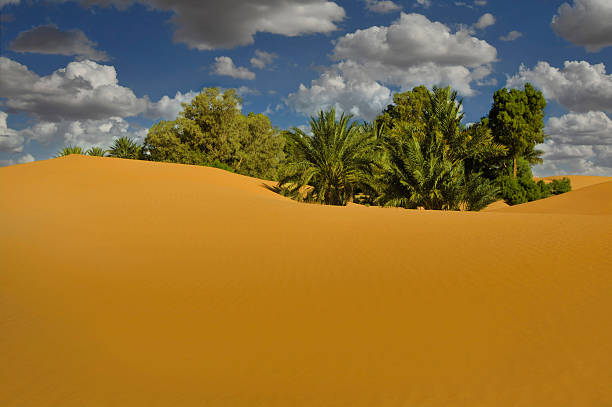
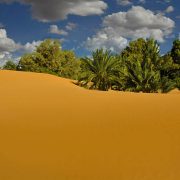
Sahara Desert (Merzouga, Zagora)
March is one of the best months for a desert experience.
- Daytime temperatures: 22–28°C (72–82°F)
- Nighttime temperatures: 5–10°C (41–50°F)
Days are warm but not scorching like summer, and nights can be cold, especially under clear skies. Desert camping is particularly enjoyable this time of year.
Atlas Mountains
Higher elevations still experience winter conditions.
- Snow remains in high mountain areas.
- Lower-altitude hiking becomes ideal in March.
Skiing may still be possible at Oukaïmeden early in the month.
March offers dramatic scenery—snow-capped peaks contrasting with green valleys below.
Rainfall
Rain is more likely in early March, especially in northern regions, but showers are typically short and scattered rather than constant.
Why March Is a Great Time to Visit Morocco
1. Comfortable Temperatures
Unlike the intense heat of summer (which can exceed 40°C/104°F in desert regions), March allows travelers to explore comfortably throughout the day.
2. Fewer Crowds
March falls just before peak spring tourism in April and May. Major attractions like Jardin Majorelle, Bahia Palace, and Fes Medina are more relaxed and less crowded.
3. Beautiful Landscapes
Winter rains leave the countryside green and vibrant. Almond blossoms and wildflowers bloom, particularly in valleys and rural areas.
4. Ideal Desert Conditions
March offers some of the most pleasant desert weather of the year—warm days and cool nights perfect for camel trekking and stargazing.
Things to Do in Morocco in March
Explore the Imperial Cities
Marrakech, Fes, Rabat, and Meknes are rich in history and architecture. In March, you can comfortably:
- Wander through medinas
- Visit palaces and mosques
- Enjoy rooftop cafés
- Experience traditional hammams
Take a Sahara Desert Tour
March is excellent for:
- Camel rides at sunset
- Overnight desert camps
- Sandboarding
- Stargazing
Because weather conditions are favorable, desert tours are popular—booking in advance is recommended.
Hike in the Atlas Mountains
The valleys are lush and green, waterfalls are flowing, and temperatures are comfortable for trekking. Popular areas include:
- Imlil
- Ourika Valley
- Aït Bouguemez (Happy Valley)
Visit Chefchaouen
The blue-painted town in northern Morocco is particularly charming in spring weather. Cooler temperatures make climbing its steep streets much easier.
Relax in Essaouira
This coastal town offers:
- Fresh seafood
- Art galleries
- Ocean views
- Relaxed atmosphere
Cultural Considerations
Ramadan
In some years, Ramadan falls partially or entirely in March. During Ramadan:
- Many local restaurants close during daylight hours.
- Eating and drinking in public during fasting hours is discouraged.
- Evenings are lively and festive after sunset.
Tourist areas still operate, but it’s important to be respectful.
Local Festivals
Depending on the year, March may host regional festivals, cultural celebrations, or music events. These vary by region.
What to Pack for Morocco in March
Because temperatures fluctuate between day and night, layering is key.
Essentials include:
- Light jacket or sweater
- Long-sleeve tops
- Comfortable walking shoes
- Sunglasses and sunscreen
- Scarf or shawl
- Warmer clothing for desert nights
- Modest clothing for religious sites
If visiting the mountains, bring warmer layers and possibly waterproof gear.
Travel Tips for March
- Book desert tours and popular riads in advance.
- Carry cash for smaller towns and markets.
- Use trains for comfortable travel between major cities.
- Be prepared to negotiate prices in souks.
- Stay hydrated, even in cooler weather.
- Dress modestly to respect local customs.
Is March a Good Time to Visit Morocco?
Yes—March is one of the best months to visit Morocco. It offers:
- Comfortable sightseeing weather
- Beautiful natural scenery
- Fewer tourists than peak season
- Excellent desert conditions
- Pleasant coastal climates
It strikes a near-perfect balance between weather, cultural vibrancy, and travel comfort.
Traveling to Morocco in March? Check out these great itineraries